
MultNAT® PEDV Assay
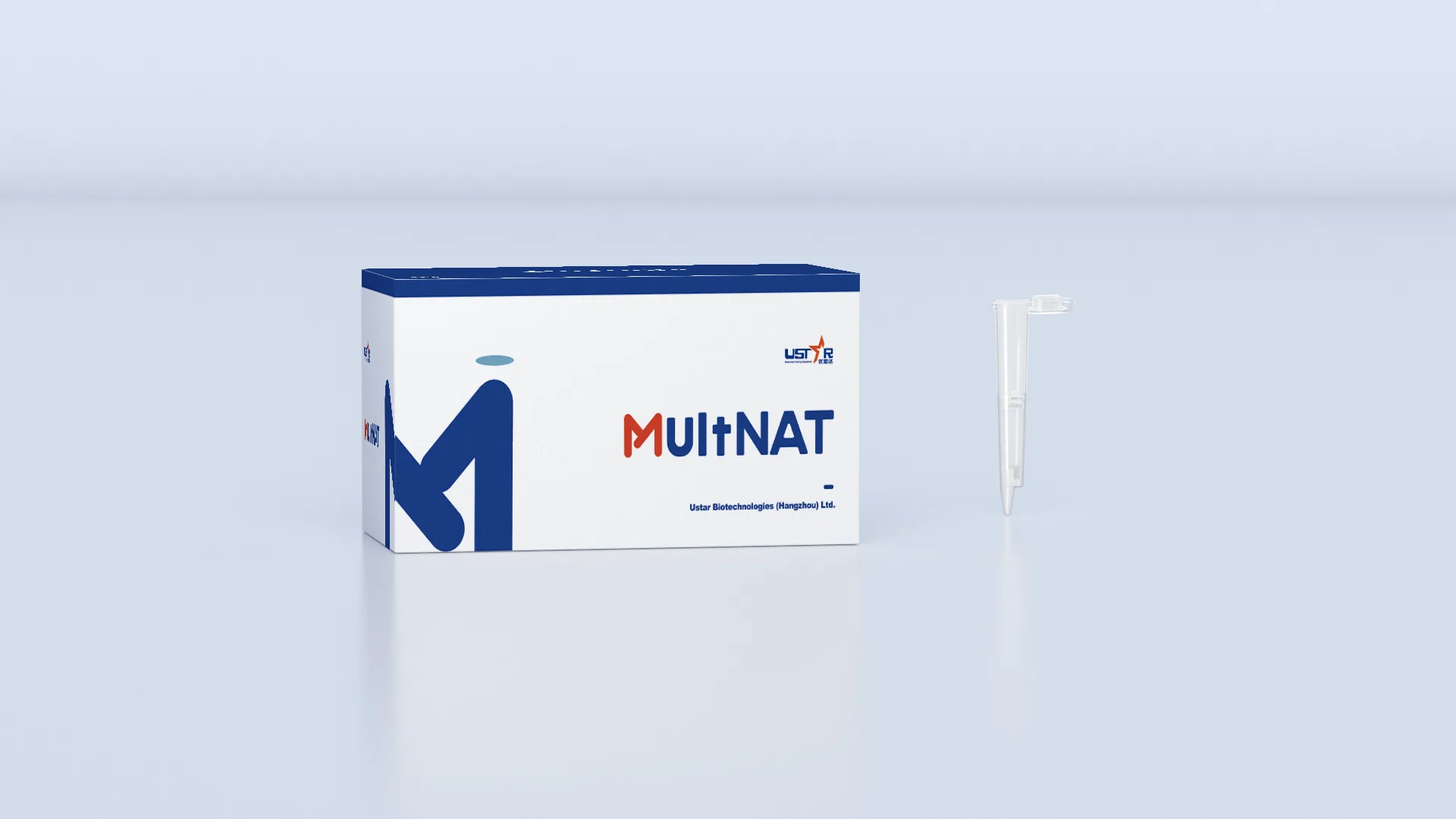
Product Overview
Porcine epidemic diarrhoea (PED), also occasionally referred to as porcine epidemic diarrhoea syndrome, is a non-zoonotic viral disease of pigs caused by a coronavirus and characterised by watery diarrhoea and weight loss. It affects pigs of all ages, but most severely neonatal piglets, reaching a morbidity and mortality of up to 100% with mortality decreasing as age increases. It is a contagious disease transmissible mainly by the faecal-oral route. The disease is clinically similar to other forms of porcine gastroenteritis including anorexia, vomiting, diarrhoea and dehydration.
- High Transmission Risk: Infected animals shed large quantities of virus before obvious clinical symptoms appear, driving silent transmission
- Rapid Outbreak Escalation: Without timely detection and containment, FMD outbreaks can escalate quickly
- Delayed Diagnosis: Conventional laboratory testing is time-consuming, delaying confirmation and increasing risk of further spread
Ongoing Challenges
- High Transmission Risk: Infected animals shed large quantities of virus before obvious clinical symptoms appear, driving silent transmission
- Rapid Outbreak Escalation: Without timely detection and containment, FMD outbreaks can escalate quickly
- Delayed Diagnosis: Conventional laboratory testing is time-consuming, delaying confirmation and increasing risk of further spread
Clinical Value
- Rapid Detection, enabling timely decision-making during outbreaks
- Lab-quality Results, high analytical specificity ensures precise pathogen identification
- Lab-free Convenience, all-in-one sealed cartridge with the MultNAT® System enables on-site testing at animal farms
- Versatile, compatible with multiple sample types