
MultNAT® Norovirus Assay
Product Overview
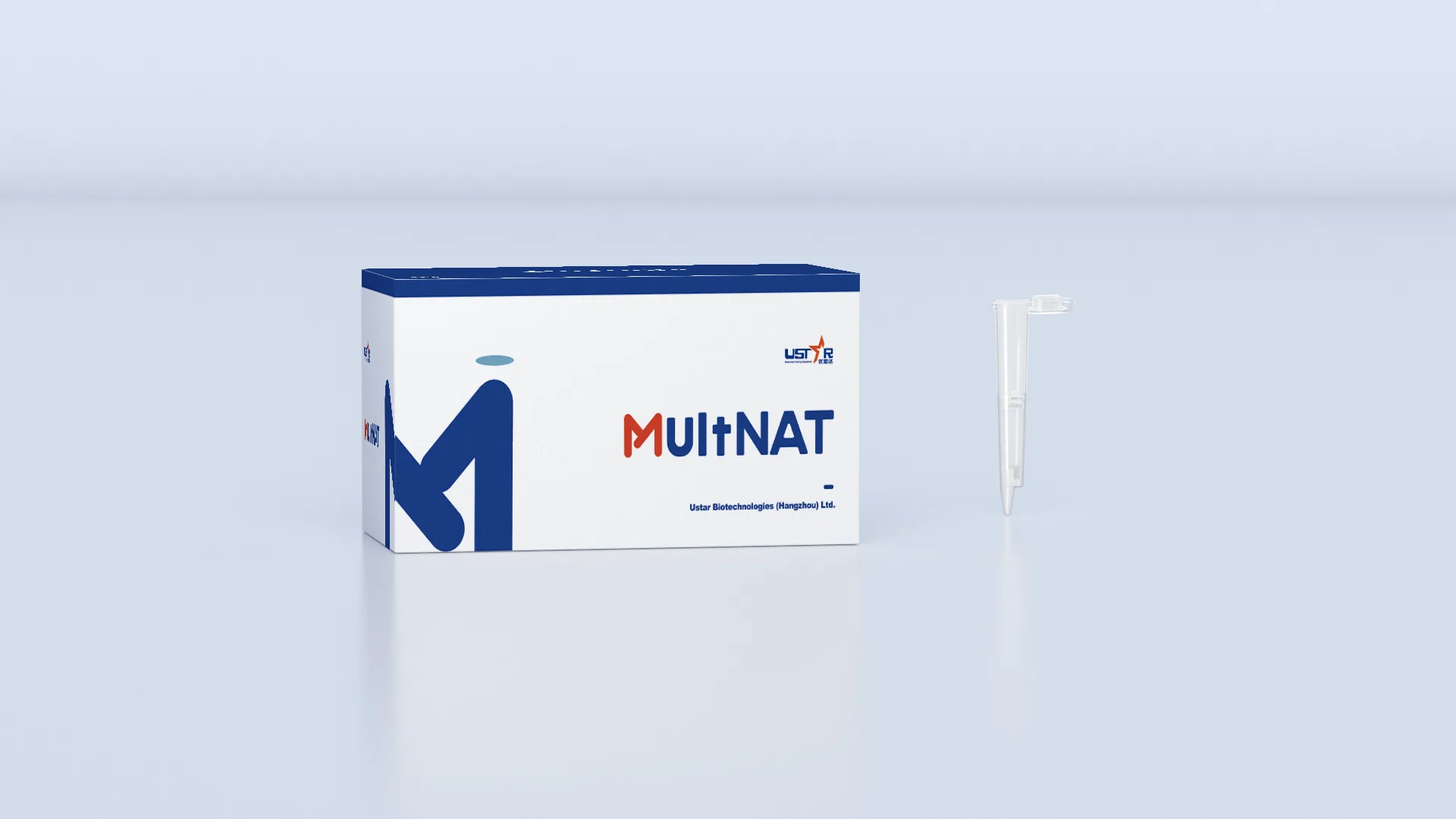
MultNAT® Norovirus Assay is a qualitative nucleic acid-based in vitro diagnostic test intended for the detection and differentiation of norovirus genogroup I (GI) and genogroup II (GII) RNA in human stool specimens.
The assay is indicated as an aid in the diagnosis of norovirus infection, and results should be interpreted in conjunction with clinical, laboratory, and epidemiological information. Results must not be used as the sole basis for diagnosis.
Fast: Automated sample-to-result workflow with results in about 58 minutes
Simple: Fully integrated system performing RNA extraction, reverse transcription, and real-time PCR in one cartridge
Safe: Closed all-in-one cartridge with UDG anti-contamination system to reduce carry-over contamination
Accuracy: Limit of detection: Norovirus GI: 10,000 copies/mL, Norovirus GII: 1,000 copies/mL
Ongoing Challenges
Noroviruses are single-stranded, non-enveloped RNA viruses belonging to the family Caliciviridae and are a major global cause of acute gastroenteritis in humans
Norovirus infections are primarily caused by genogroup I (GI) and genogroup II (GII), which account for the majority of human cases worldwide
Typical symptoms include diarrhea, vomiting, abdominal cramps, nausea, and fever. Although the disease is usually self-limiting, young children, elderly individuals, and immunocompromised patients may experience severe dehydration and complications
Rapid and accurate laboratory detection of norovirus GI and GII is essential for supporting timely diagnosis and effective outbreak control in healthcare and community settings
Clinical Value
Rapid diagnosis: Supports early detection of norovirus infection in patients with acute gastroenteritis
Genogroup Differentiation: Differentiates GI and GII, providing valuable epidemiological information for outbreak investigation
Infection Control: Early laboratory confirmation assists in implementing timely isolation and hygiene measures to limit transmission
Laboratory Efficiency: Automated extraction and RT-PCR in a single cartridge improves standardization and reduces hands-on time